What Happens in a Disaster?
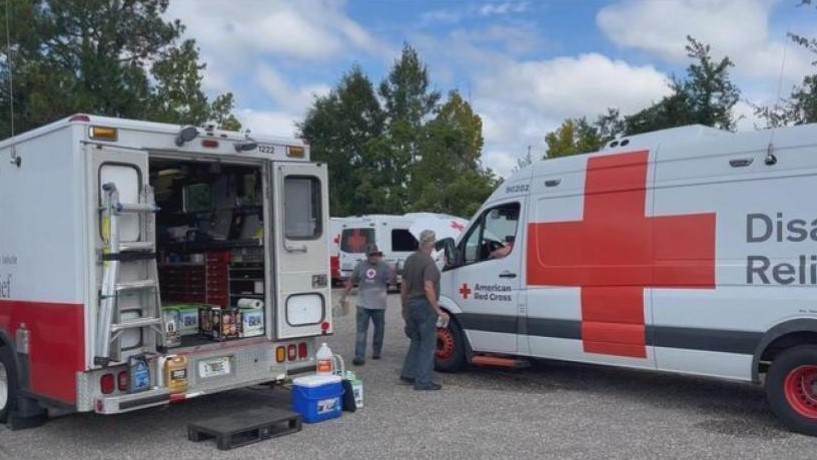
The duration of a temporary center's activation depends entirely on the nature and severity of the local crisis. Pre-disaster planning templates encourage houses of worship to establish clear, independent restoration guidelines with collaborating local agencies prior to any activation event.
During a major crisis where residents require immediate relief, municipal response networks (such as your local Fire Department or Emergency Management Office) work closely with disaster relief organizations to identify available community assets. Activation of a site is not automatic and depends on the incident, facility availability, safety conditions, staffing, accessibility, and coordination with Red Cross and municipal emergency management partners.
Depending on pre-established local agreements, relief agencies may reach out to the designated primary contacts at an available House of Worship to coordinate localized assistance. If the house of worship determines it is positioned to support the immediate neighborhood, standard community frameworks generally unfold across three distinct pillars:
- Disaster Relief Agencies (The Operational Lead): When a site is activated for a Red Cross-supported operation, trained Red Cross disaster responders may manage Red Cross service delivery functions, such as registration, sheltering support, feeding coordination, health services, disaster mental health, recovery resources, and other approved services based on the needs of the incident.
- The Host Facility Team (The Site Experts): Your team doesn't manage the disaster; you manage your building. Utilizing independent planning templates, local church volunteers prepare the physical space, manage building mechanics (utilities, access), and provide a welcoming presence, working cooperatively under the operational guidance of the arriving Red Cross team.
- Municipal and First Responder Agencies (The Perimeter): Local fire, law enforcement, and emergency management departments handle the broader regional landscape—such as traffic safety, security, transit support, and coordinating utility updates.
The Handoff Principle: Houses of worship provide a trusted community space and facility access. Operational roles, responsibilities, costs, reimbursement, and liability are governed by the applicable agreements and the specific activation structure established with Red Cross, municipal emergency management, and other response partners.